Loading... Please wait...
Categories
 New Products



Our Newsletter
- Home
- Live Plants
- Shrubs
- Rose of Sharon
- Azurri Blue Satin® Rose of Sharon
Azurri Blue Satin® Rose of Sharon






Product Description
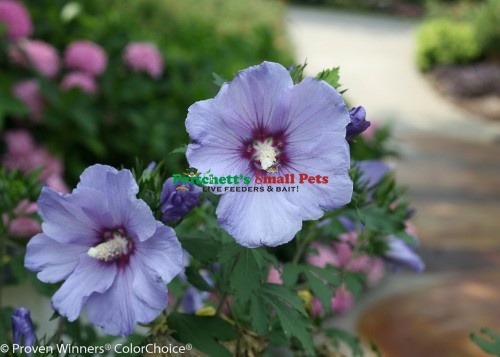
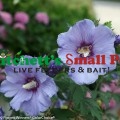
Azurri Blue Satin� Rose of Sharon is a summer-flowering Rose of Sharon that brings dependable color after many spring shrubs have already finished.
Pruning & Bloom
Rose of Sharon flowers on new growth, which makes late-winter or early-spring pruning useful when a plant needs shaping. Established plants are adaptable, but flowering is strongest with good light and reasonable moisture.
About This Variety
Hibiscus syriacus ' DVPazurri' FEATURES Unusual blue flowers for the late summer garden. Finally - a blue rose of Sharon with no seeds! It's the rose of Sharon you've been looking for - striking blue flowers that don't form a bunch of seeds and spread themselves all over your garden.
The deep blue color is especially prominent when the plant is in bud. This long-blooming, reliable, easy care plant will bloom all summer long. It replaces Blue Satin® hibiscus, because Azurri Blue Satin® offers a true blue flower and produces few to no seeds.Top reasons to grow Azurri Blue Satin rose of Sharon:- True-blue blooms all summer long- Produces few to no seeds - low maintenance! - Does not require pruning or deadheading CHARACTERISTICS Plant Type: Shrub or Tree Shrub Type: Deciduous Flower Color: Blue Habit: Upright Bushy Shrub Spacing: 6 - 7 Feet Spread: 4 - 6 Feet Flower Shade: Blue Container Roll: Thriller Height Category: Tall Shrub Height: 10 - 12 Feet Foliage Colors: Green Foliage Shade: Green Common Names: Rose of Sharon Althea Invasiveness: This variety doesn't produce seeds.
Attracts: Polinators Bees Butterflies Hummingbirds Resists: Deer Heat Salt Drought Clay Black Walnut PLANT NEEDS Light Requirement: Full Sun Maintenance Category: Easy Blooms On: New Growth Bloom Time: July to October Hardiness Zones: Perennial in Zones 5 - 8 Find Your Hardiness Zone Watering Needs: Average Water regularly - weekly, or more often in extreme heat or containers. Uses: Landscape, Mass Plantings, Hedge, Patented: USPP 20,563 This plant can not be propagated without a license by the patent holder. Fertilizer: Apply a slow release fertilizer in early spring.
Maintenance Notes: Prefers well-drained soil.
Find Similar Products by Category

Customers Who Viewed This Product Also Viewed



Add to Wish List
Related Products
-
-
 Diana Rose of Sharon $7.99
-
 Aphrodite Rose of Sharon $7.99
-
 Blue Bird Rose of Sharon $7.99
-

You Recently Viewed...
All prices are in USD.
Copyright 2026 Pritchett's Small Pets.
Sitemap |