Loading... Please wait...
Categories
 New Products



Our Newsletter
- Home
- Live Plants
- Shrubs
- Rose of Sharon
- Jeanne D Arc Rose of Sharon
Jeanne D Arc Rose of Sharon





Product Description
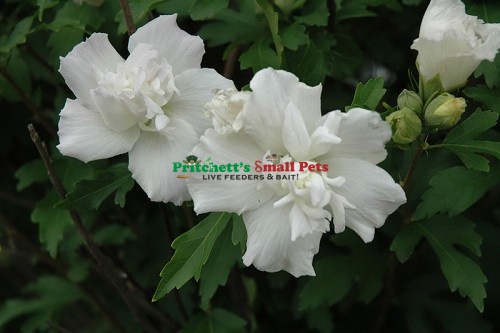
Jeanne D Arc Rose of Sharon is a summer-flowering Rose of Sharon that brings dependable color after many spring shrubs have already finished.
Pruning & Bloom
Rose of Sharon flowers on new growth, which makes late-winter or early-spring pruning useful when a plant needs shaping. Established plants are adaptable, but flowering is strongest with good light and reasonable moisture.
About This Variety
Hibiscus syriacus 'Jeanne D' Arc' Hibiscus syriacus 'Ranunculiflorus Plenus' Hibiscus monstrosus 'Plenus' Hibiscus syriacus 'Monstrosus Plenus' FEATURES What a rarity in this species - frilly pure snowy white double flowers in abundance throughout the summer and into fall; a leggy uprightly-branched shrub that's quality underplanted with smaller shrubs and perennials, makes a great garden accent. CHARACTERISTICS Plant Type: Shrub or Tree Shrub Type: Deciduous Flower Color: Solid White Habit: Upright Bushy Shrub Spacing: 6 Feet Spread: 4 - 6 Feet Flower Shade: Solid White Container Roll: Thriller Height Category: Tall Shrub Height: 8 - 10 Feet Foliage Colors: Green Foliage Shade: Green Common Names: Rose of Sharon Althea Invasiveness: This variety is sterile and produces little to no seeds.
Attracts: Polinators Bees Butterflies Hummingbirds Resists: Deer Drought Clay Black Walnut PLANT NEEDS Light Requirement: Full Sun Maintenance Category: Easy Blooms On: New Growth Bloom Time: July to October Hardiness Zones: Perennial in Zones 5 - 8 Find Your Hardiness Zone Watering Needs: Average Water regularly - weekly, or more often in extreme heat or containers. Uses: Landscape, Mass Plantings, Hedge, Patented: No This plant is in the public domain. Fertilizer: Apply a slow release fertilizer in early spring.
Maintenance Notes: Prefers well-drained soil. Pruning is quality done immediately after flowering; Prune back in early spring before new growth begins to shape. Medium moisture.
Fertilize in early spring by applying a slow release fertilizer specialized for trees & shrubs. Follow the label for recommended rate of application.
Find Similar Products by Category

Customers Who Viewed This Product Also Viewed
-
 $10.00
-
 $29.99
-
$3.95
-
$5.00
Add to Wish List
Related Products
-
 Diana Rose of Sharon $7.99
-
 Aphrodite Rose of Sharon $7.99
-
 Sugar Tip® Rose of Sharon $19.99
-
 Bali Rose of Sharon $7.99
You Recently Viewed...
All prices are in USD.
Copyright 2026 Pritchett's Small Pets.
Sitemap |