Loading... Please wait...
Categories
 New Products



Our Newsletter
- Home
- Live Plants
- Shrubs
- Rose of Sharon
- Aphrodite Rose of Sharon
Aphrodite Rose of Sharon








Product Description
Aphrodite Rose of Sharon is a summer-flowering Rose of Sharon that brings dependable color after many spring shrubs have already finished.
Pruning & Bloom
Rose of Sharon flowers on new growth, which makes late-winter or early-spring pruning useful when a plant needs shaping. Established plants are adaptable, but flowering is strongest with good light and reasonable moisture.
About This Variety
Hibiscus syriacus 'Aphrodite' FEATURES A US National Arboretum introduction in 1988 by breeder Dr. Don Egolf. A n eye-catching deciduous triploid shrub that produces little to no seed, which means an abundance of nearly continuous, exceptional flowers over a long bloom season.
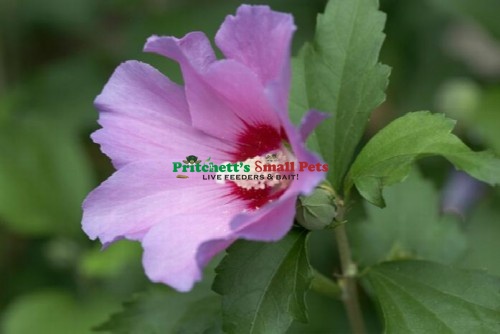
The heavily ruffled, clear pink blooms have a deep red eye. The densely branched habit with thick, deep green foliage is perfect for a hedge or screen, and is easily trained as a small tree. The ‘Aphrodite’ Rose of Sharon is a triploid cultivar, which emerged from a selection of seedlings, after successive crosses of different ploidy cultivars [( Hibiscus syriacus ‘Suminokura’ / diploid / x H. syriacus William R.
Smith’) x tetraploid seedlings H. syriacus ‘William R. CHARACTERISTICS Plant Type: Shrub or Tree Shrub Type: Deciduous Flower Color: Pink Habit: Upright Bushy Shrub Spacing: 6 Feet Spread: 4 - 6 Feet Flower Shade: Pink Container Roll: Thriller Height Category: Tall Shrub Height: 8 - 10 Feet Foliage Colors: Green Foliage Shade: Green Common Names: Rose of Sharon Althea Invasiveness: This variety is sterile and produces little to no seeds. Attracts: Polinators Bees Butterflies Hummingbirds Resists: Deer Drought Clay Black Walnut PLANT NEEDS Light Requirement: Full Sun Maintenance Category: Easy Blooms On: New Growth Bloom Time: July to October Hardiness Zones: Perennial in Zones 5 - 8 Find Your Hardiness Zone Watering Needs: Average Water regularly - weekly, or more often in extreme heat or containers.
Uses: Landscape, Mass Plantings, Hedge, Patented: No This plant is in the public domain.
Find Similar Products by Category

Customers Who Viewed This Product Also Viewed



Add to Wish List
Related Products
-
 Diana Rose of Sharon $7.99
-
 Sugar Tip® Rose of Sharon $19.99
-
 Bali Rose of Sharon $7.99
-

You Recently Viewed...
All prices are in USD.
Copyright 2026 Pritchett's Small Pets.
Sitemap |